Lewis Hine
1874 – 1940
The photographer whose camera helped end child labor in America
![[Another young newsboy in Hartford, Conn. August 26, 1924.] …, Connecticut](/static/images/2018676095_hero.webp)
About Lewis Hine
Lewis Wickes Hine was born on September 26, 1874, in Oshkosh, Wisconsin. After his father died in an accident while Lewis was still young, he went to work to help support his family, taking jobs in a furniture factory and other trades while saving for an education. He studied sociology at the University of Chicago, Columbia University, and New York University in the years around 1900 to 1907, training that would shape his lifelong…
Read full biography →From the Collection
![[Another young newsboy in Hartford, Conn. August 26, 1924.] …, Connecticut](/static/images/2018676095.webp)
[Another young newsboy in Hartford, Conn. August 26, 1924.]…
1924
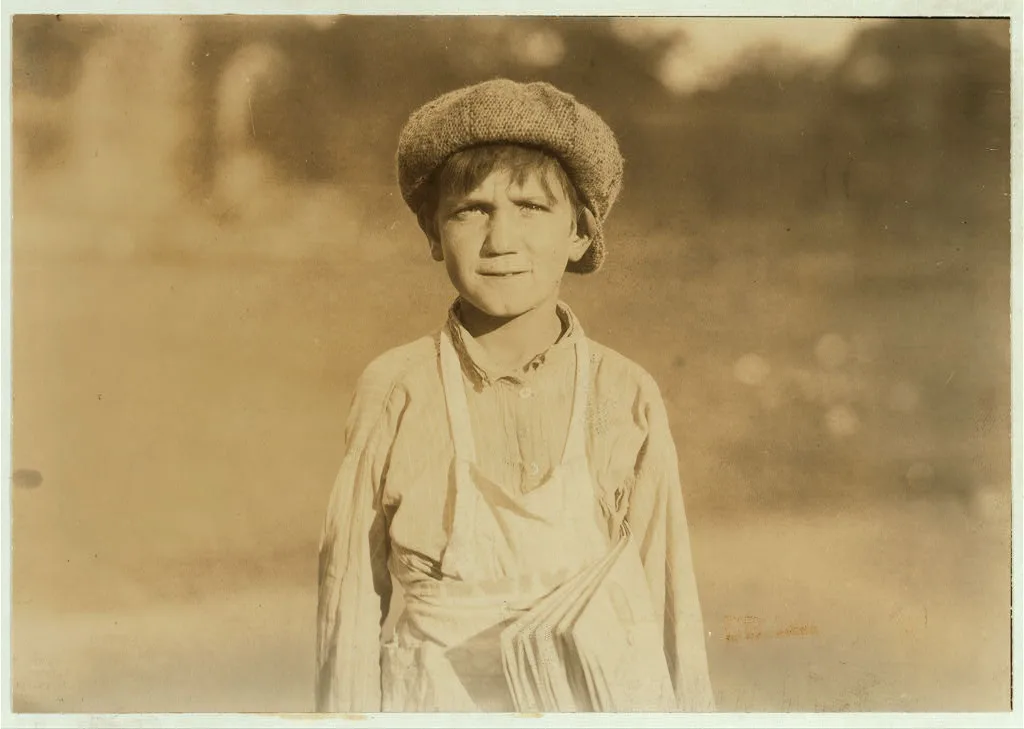
[The newsboy, "Jackie Coogan" of Hartford, Conn. One of the…
1924
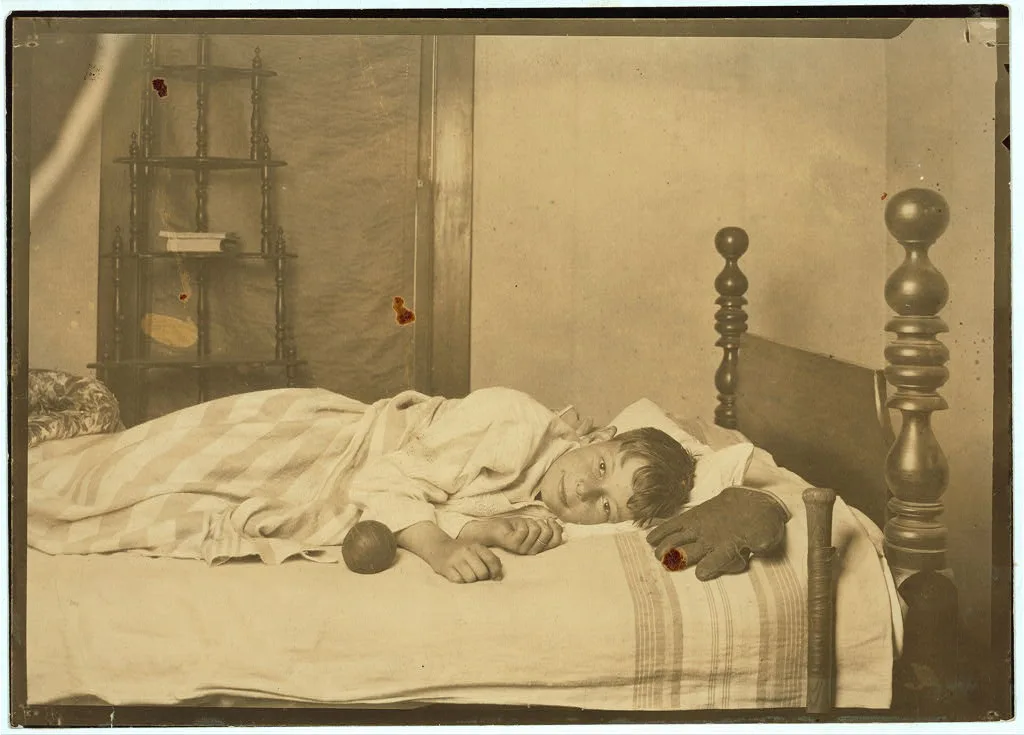
Miscellaneous. Boy in bed--awake
1924
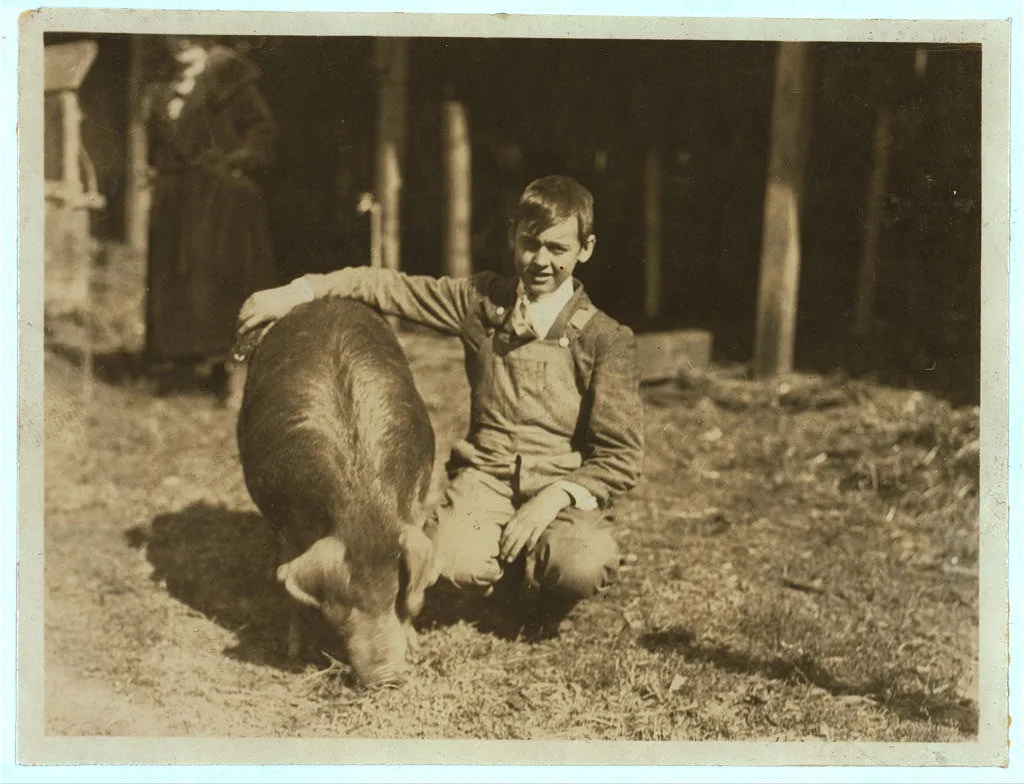
Guy Baily, prize winner, a 14 year old Club Member from…
1921
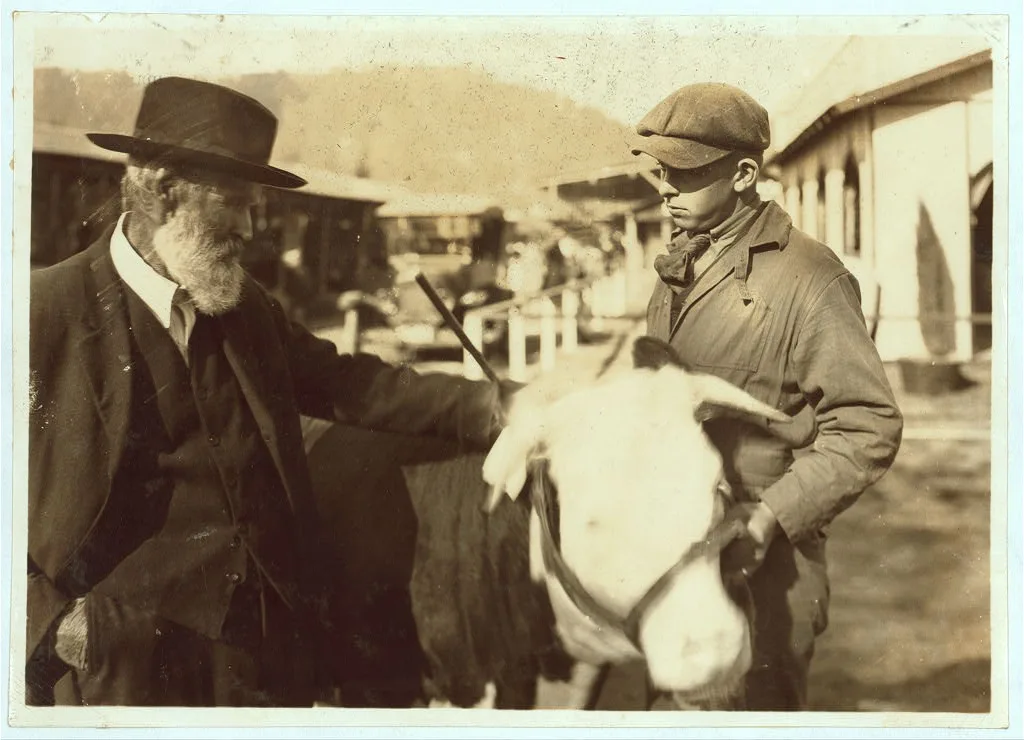
Charley Lawson, prize winner and delegate from Lewis…
1921
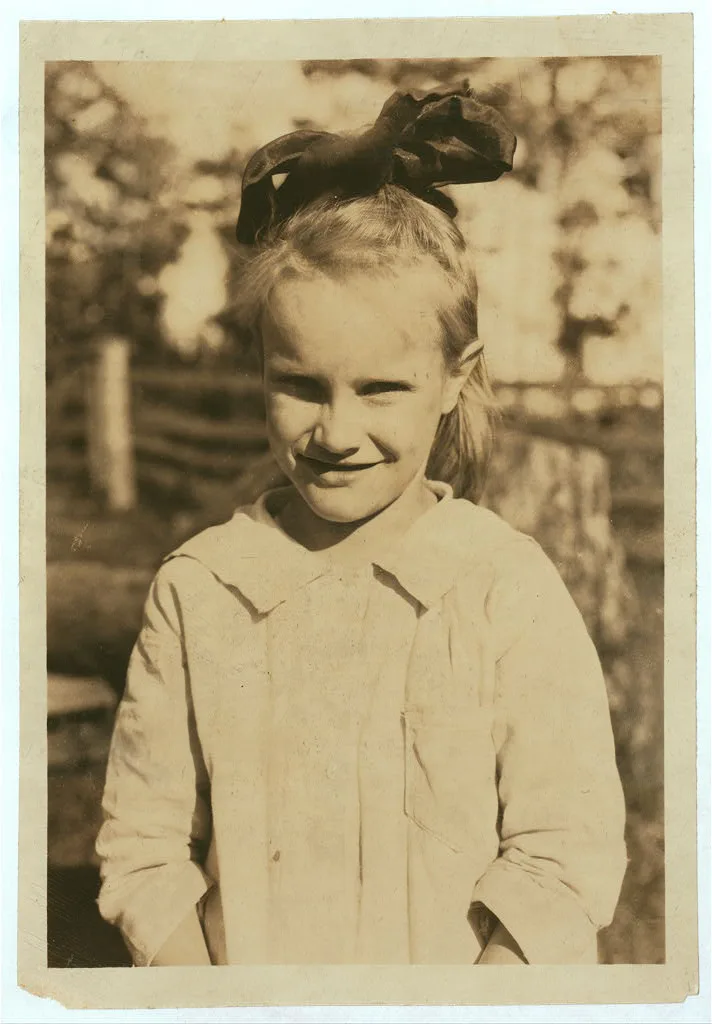
One of the pupils in the Caesar Mt. School. See Photo No.…
1921
Notable Works
Sadie Pfeifer, a Cotton Mill Spinner, Lancaster, South Carolina
One of Hine's most reproduced child-labor photographs, showing a small girl tending a towering row of spinning machines in a Lancaster, South Carolina, cotton mill. Her tiny figure against the…
Browse the collection →Breaker Boys, South Pittston, Pennsylvania
A photograph of young breaker boys hunched over coal chutes, sorting slate and impurities from coal by hand in the dust and din of an anthracite breaker. Hine documented the dangerous, lung-damaging…
Browse the collection →Newsies at Skeeter's Branch, St. Louis, Missouri
A group of newsboys gathered at Skeeter's Branch in St. Louis, several smoking, photographed by Hine to document the long hours and street hazards faced by children selling newspapers. The newsboy…
Browse the collection →Timeline
Born in Oshkosh, Wisconsin on September 26
Moves to New York City to teach at the Ethical Culture School
Begins photographing immigrants arriving at Ellis Island
Becomes a staff photographer for the Russell Sage Foundation and contributes to the Pittsburgh Survey
Leaves teaching to become investigative photographer for the National Child Labor Committee
"There are two things I wanted to do. I wanted to show the things that had to be corrected. I wanted to show the things that had to be appreciated."
— Lewis Hine